Blue-tongued lizards are commonly found in residential back yards in Australia. They have big heads, long bodies and, of course, blue tongues. Their legs are small and short. In general, male lizards have larger heads than female lizards. The females are bigger than the males when they reach adult size, up to 60cm in length.. If a dog bites or licks a blue tongue lizard, it may develop an infection in its mouth or on its skin. In some cases, the bacteria can spread to other parts of the body and cause more serious health problems. Another potential risk is that blue tongue lizards can carry parasites that can infect dogs. For example, ticks and mites can attach.
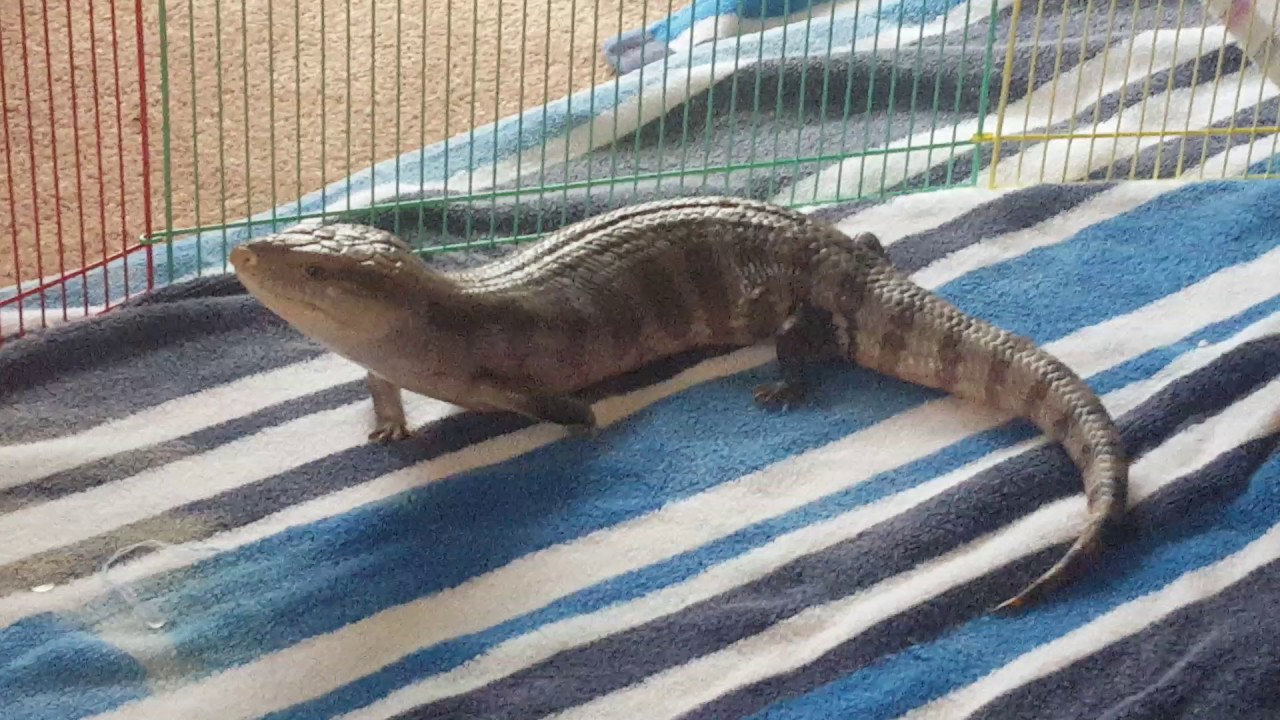
Blue Tongue Skink lizard biting his own tail?? YouTube
:max_bytes(150000):strip_icc()/blue-tongue-skink-tilaqua-scincoides-scincoides-169428333-587637f45f9b584db34cdb91.jpg)
A Guide to Caring for a Pet BlueTongued Skinks

Can Blue Tongue Skinks Eat Dog Food

Blue Tongued Lizard in Australia Australia animals, Australian native animals, Australian fauna
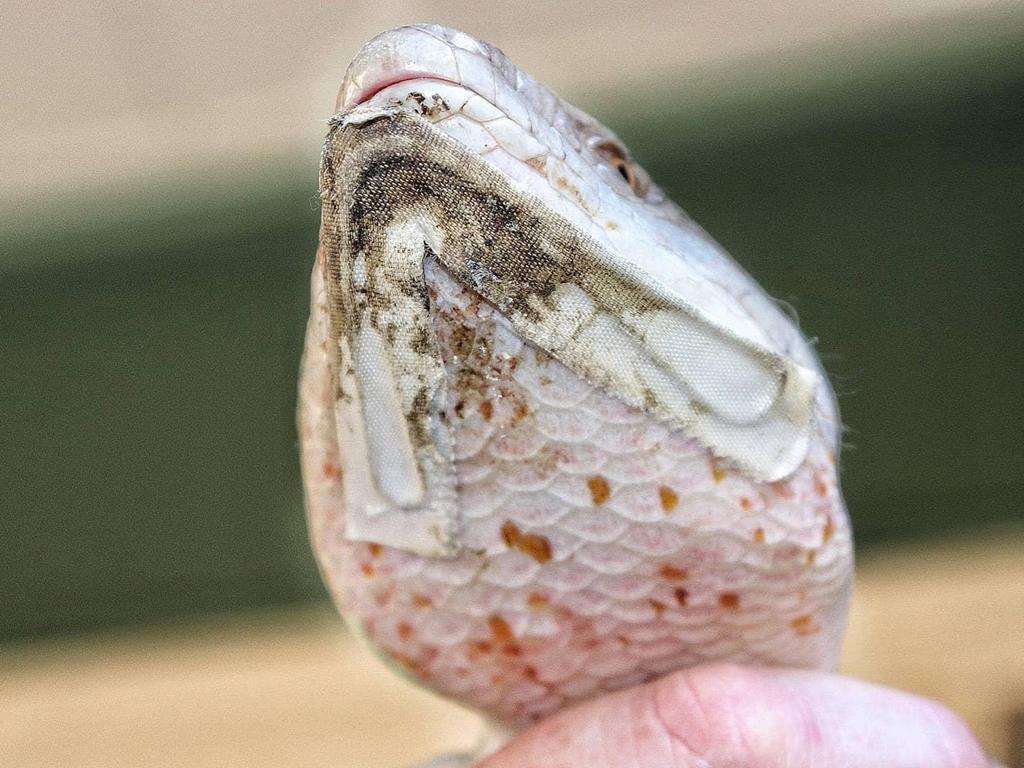
Vet nurse uses crafty idea to save blue tongue lizard PHOTOS The Courier Mail
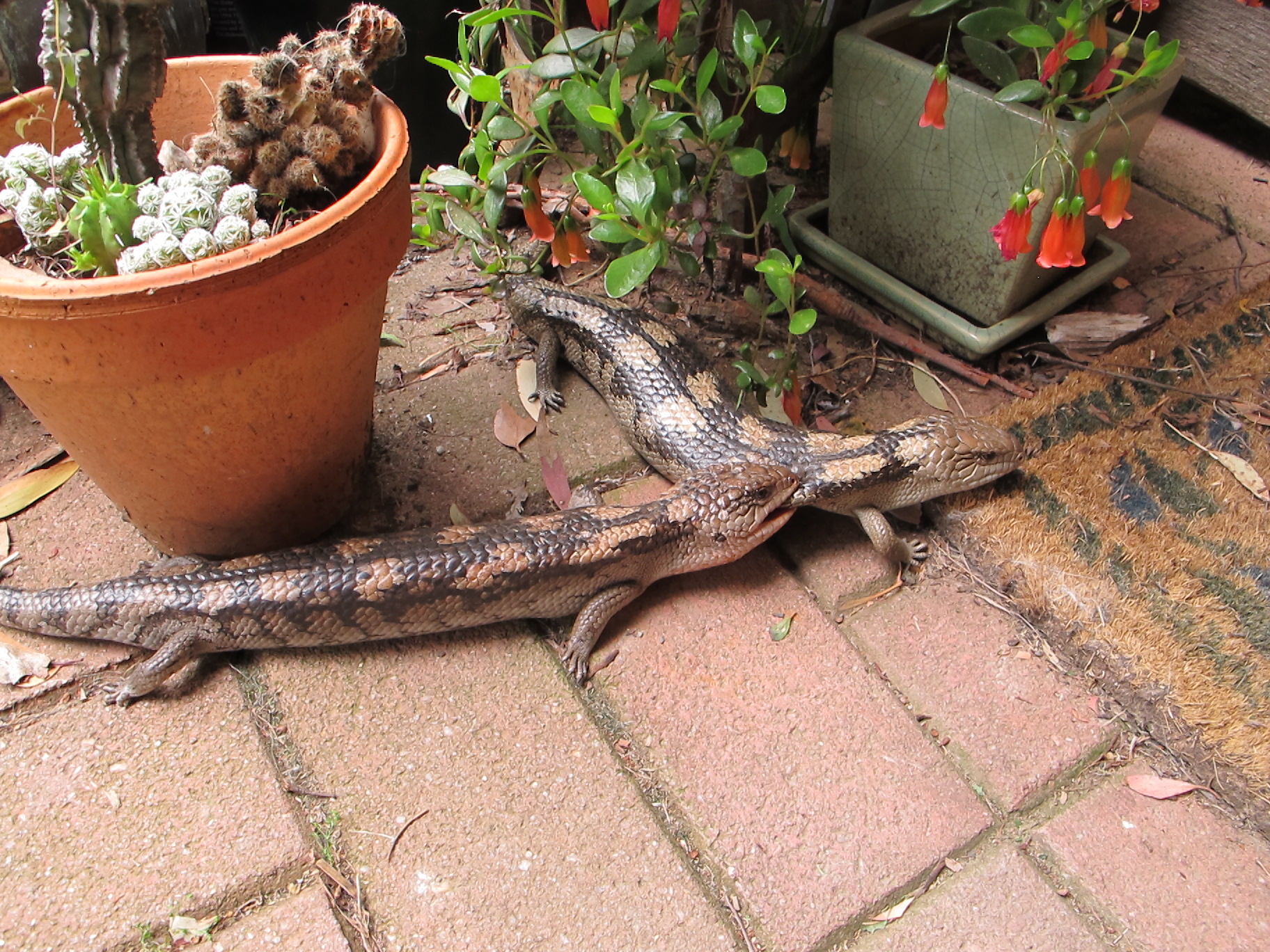
Blotched Bluetongues mating Tanya Loos

Blue Tongue Lizards they bite? YouTube

Are Blue Tongue Lizards Poisonous To Dogs If Eaten

Bluetongued skink Branson’s Wild World
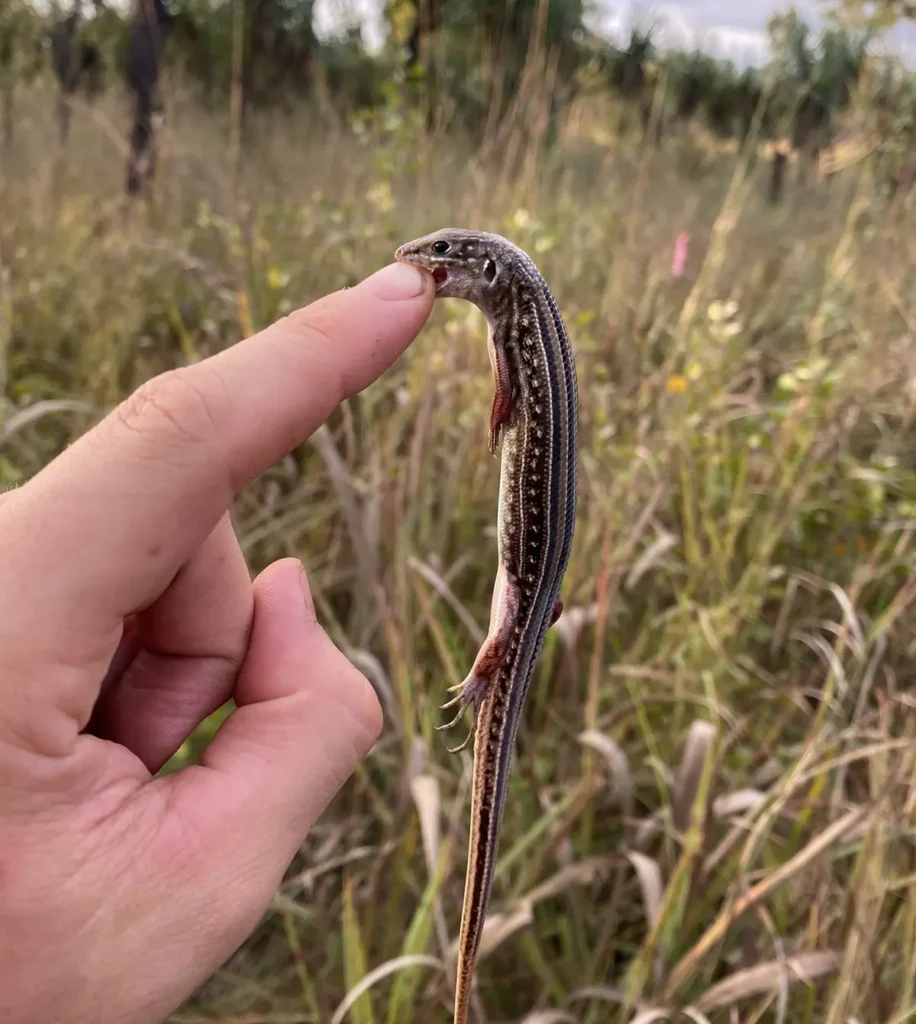
Do Blue Tongue Lizards Bite? Are Skinks Poisonous?
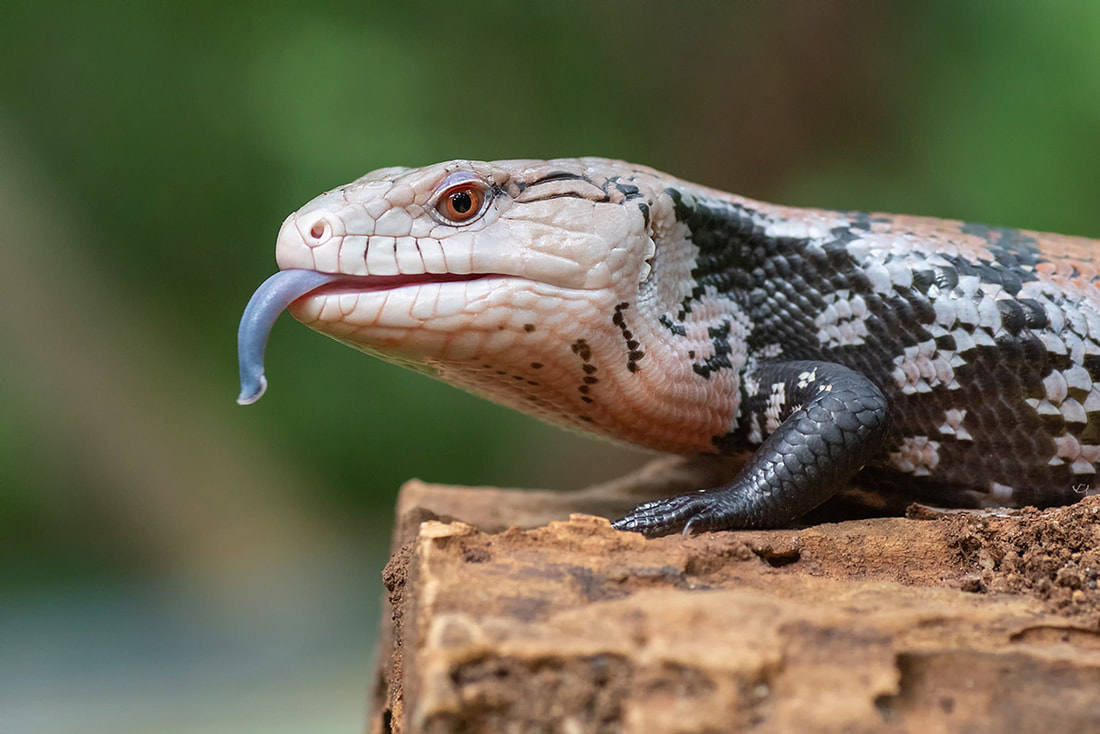
Blue Tongued Skink

Blotched Bluetongue Lizard The Australian Museum

Are Blue Tongue Lizards Poisonous To Dogs If Eaten

Australian BlueTongue Lizard (Warning 6 images) Nature and Wildlife Photography Forum

BlueTongued Lizard They can grow up to 60 cm long. FactInformer

Eastern Blue Tongue Skink Blue tongue skink, Reptiles and amphibians, Cute reptiles

Are Blue Tongue Lizards Poisonous To Dogs If Eaten

Are Blue Tongue Lizards Poisonous To Dogs If Eaten

Blue tongued skinks can get up to almost 600mm and can often be found in and around gardens. But

What Happens When Dog Eats Lizard
Up to 60cm long. Meet the bluetongue, a slow-moving lizard with a stocky body and docile disposition that’s also the largest of Australia’s skinks, of which there are more than 320 species. Skinks are smooth-skinned lizards that are well-known for dropping their tails – known as autotomy – when threatened by a potential predator.. This Lizard Has a Blue, Ultraviolet Tongue—Here’s Why. When threatened, the northern bluetongue skink brandishes its UV-reflective, cobalt tongue. When bluetongue skinks are attacked, they don.