Robertsonian translocations (ROBs) have an estimated incidence rate of 1/1000 births, making this type of rearrangement the most common structural chromosomal abnormalities seen in the general population. In this study, we reports 872 cases of ROBs from 205,001 specimens karyotyped postnatally in a single accredited laboratory in China, including 583 balanced ROBs, 264 unbalanced ROBs, 9.. Robertsonian translocations 13/14 are the most common chromosome rearrangements in humans. However, most studies aimed at determining risk figures are more than 20 years old. Their results are often contradictory regarding important topics in genetic counseling such as infertility and unfavorable pregnancy outcomes.
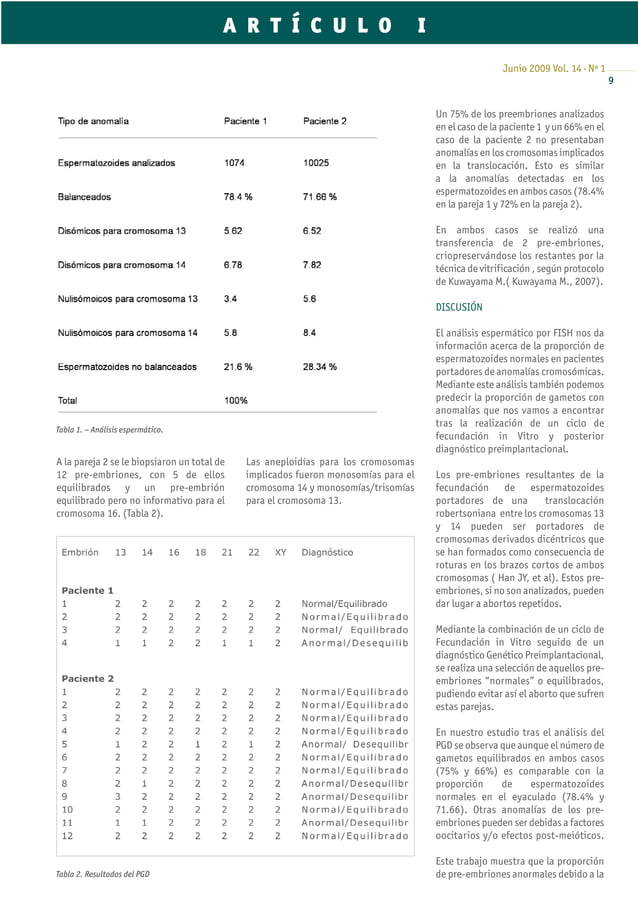
ESTUDIO GENÉTICO PREIMPLANTACIONAL EN PACIENTES PORTADORES DE TRANSLOCACIÓN ROBERTSONIANA (13;14)
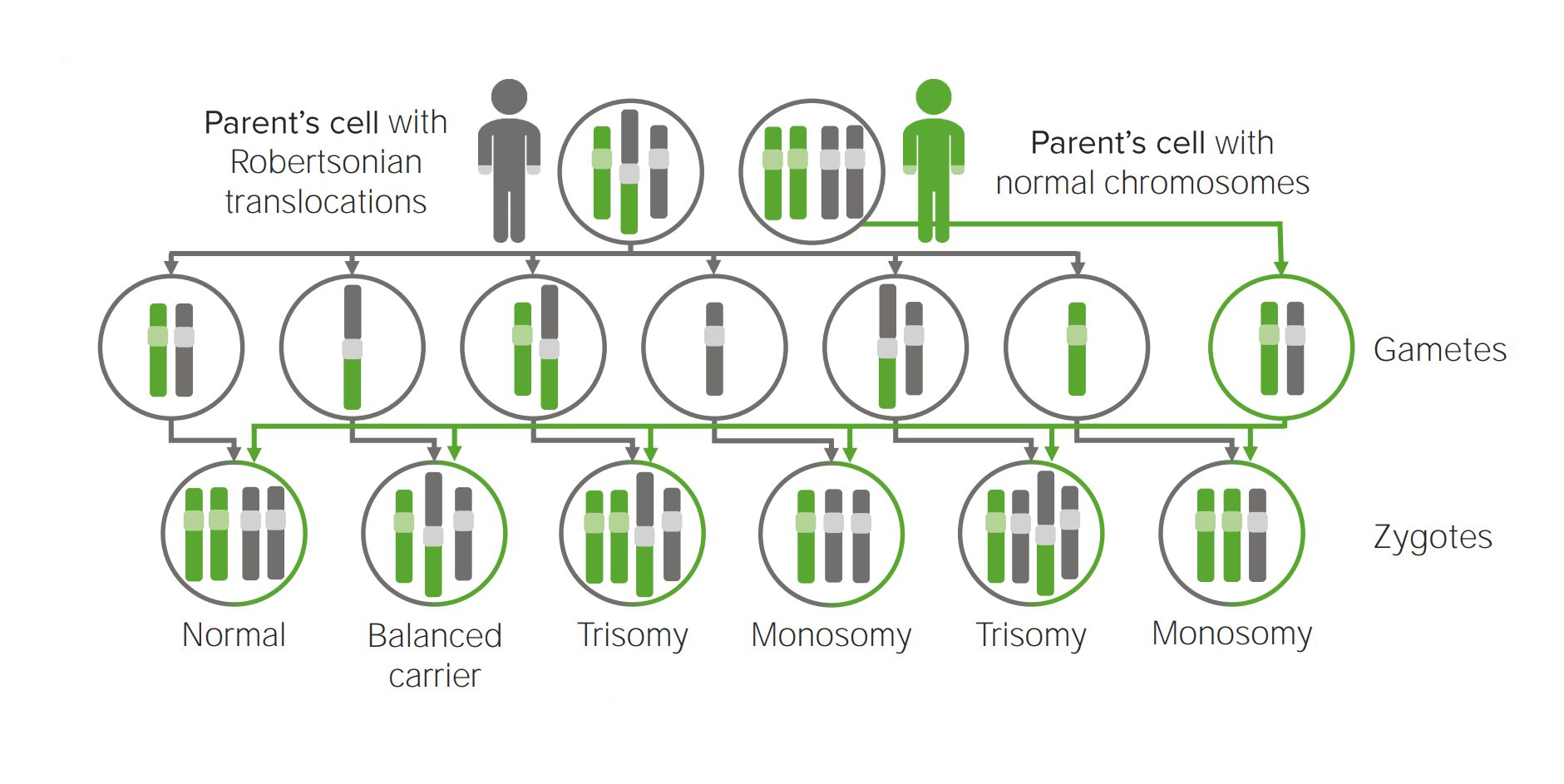
Síndrome de Patau (Trissomia 13) Concise Medical Knowledge

Translocação Robertsoniana YouTube
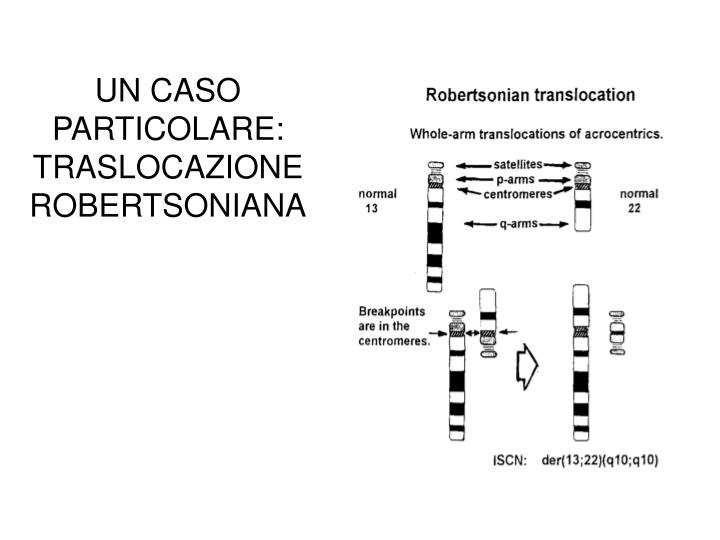
PPT ANOMALIE CROMOSOMICHE STRUTTURALI MUTAZIONI CROMOSOMICHE PowerPoint Presentation ID921089

Robertsonian Translocation 13 14

Robertsonian Translocation 13 14
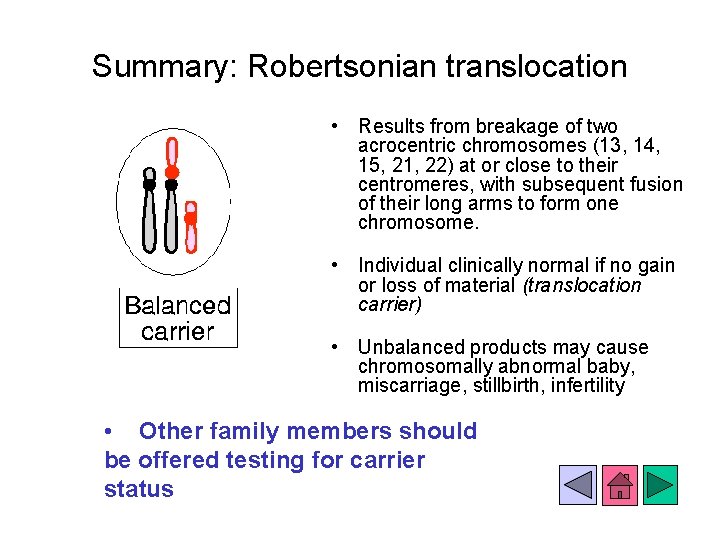
Robertsonian chromosome translocations the basics a tutorial to
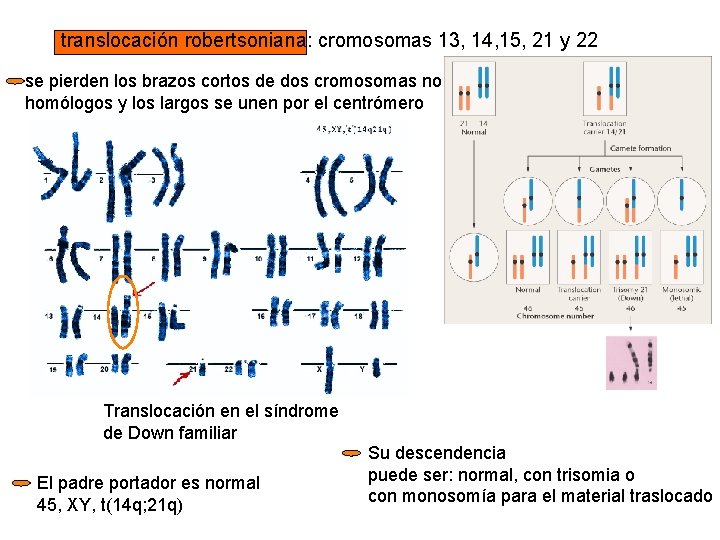
Tema 7 Base cromosmica de las enfermedades humanas

traslocazioni Robertsonian Descrizione, caratteristiche e caratteristiche
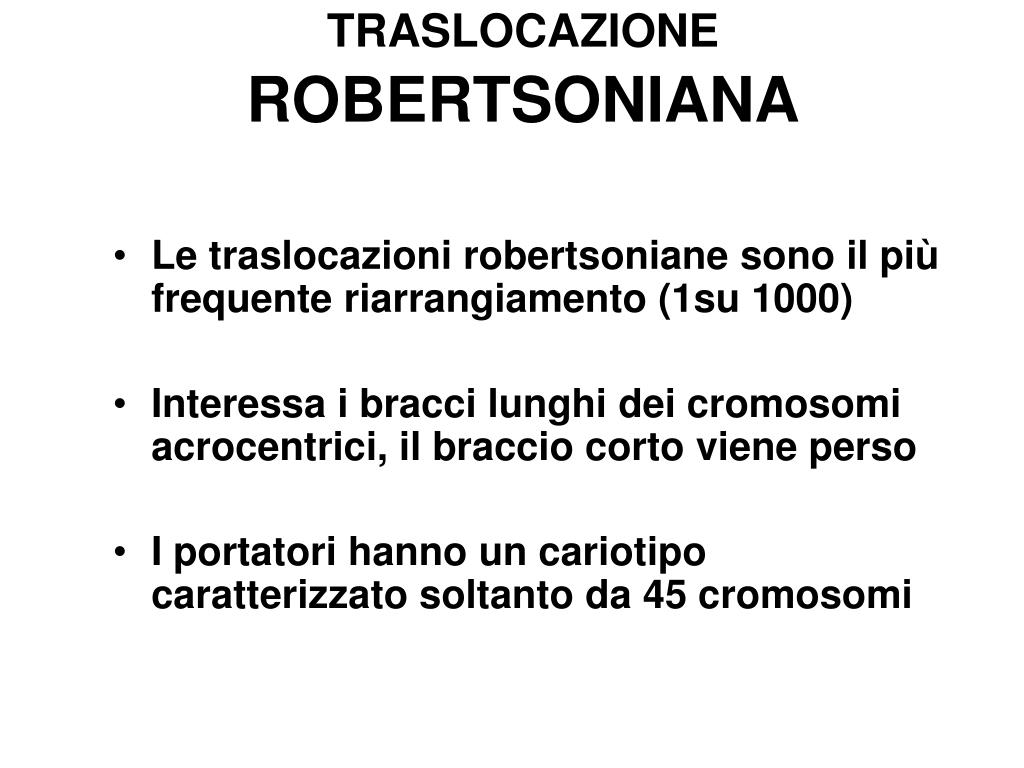
PPT Quando i cromosomi si rompono PowerPoint Presentation, free download ID5188971
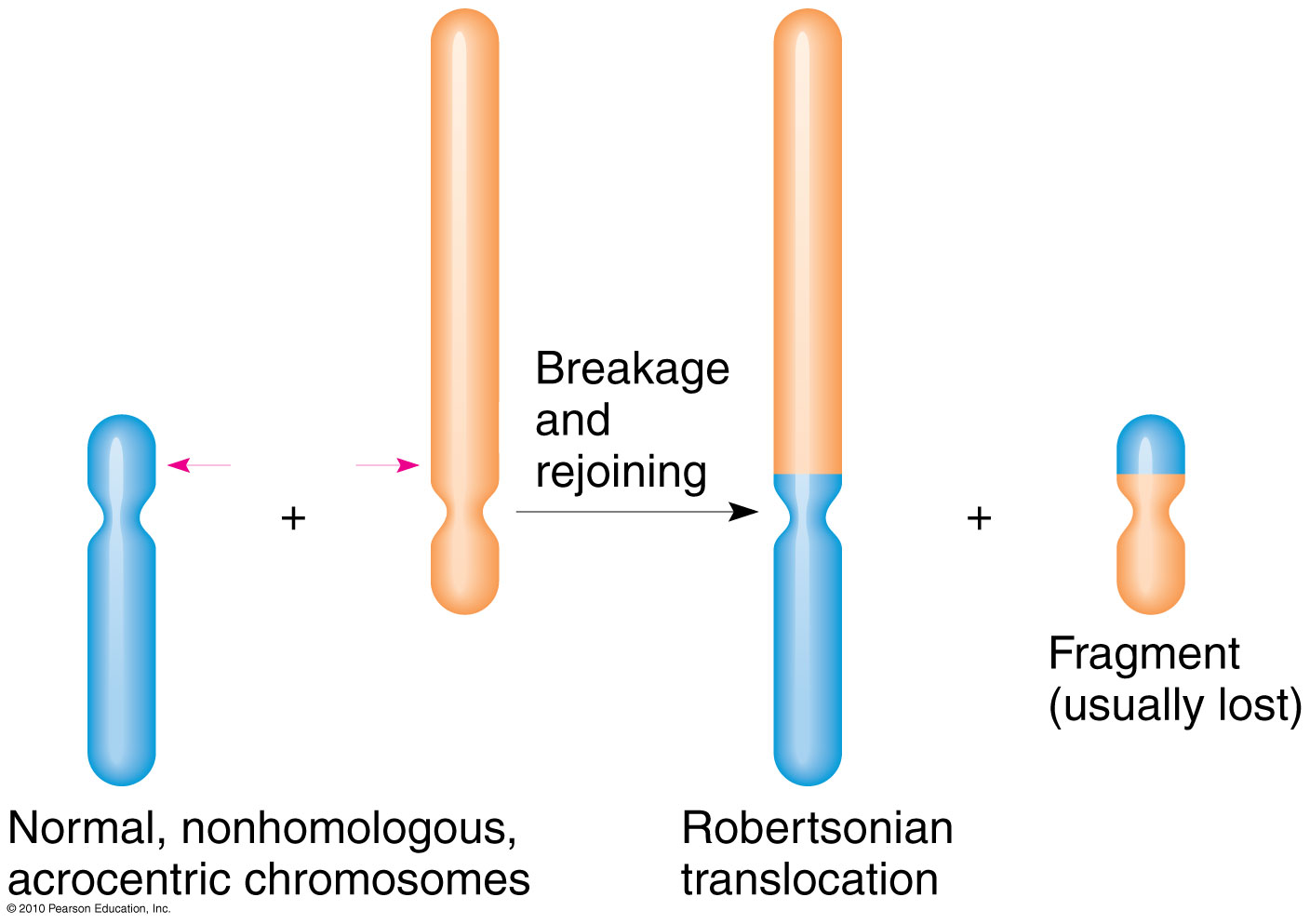
Robertsonian Translocation 13 14
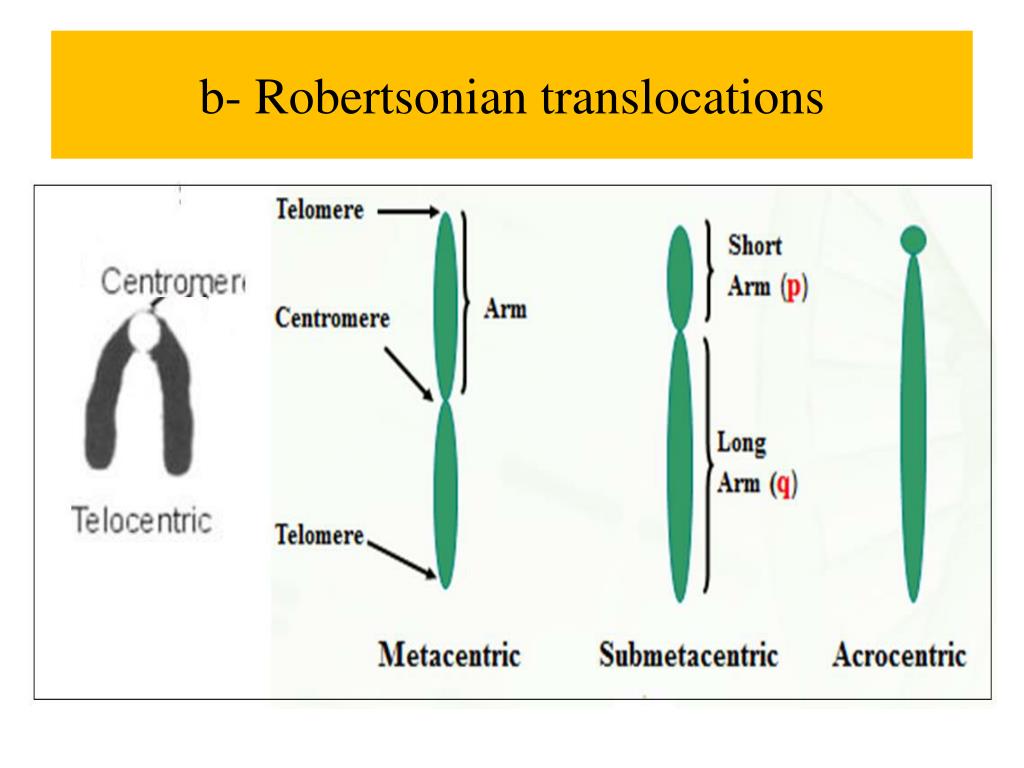
PPT Chromosomal Abnormalities II SDK November 3, 2012 PowerPoint Presentation ID2940097
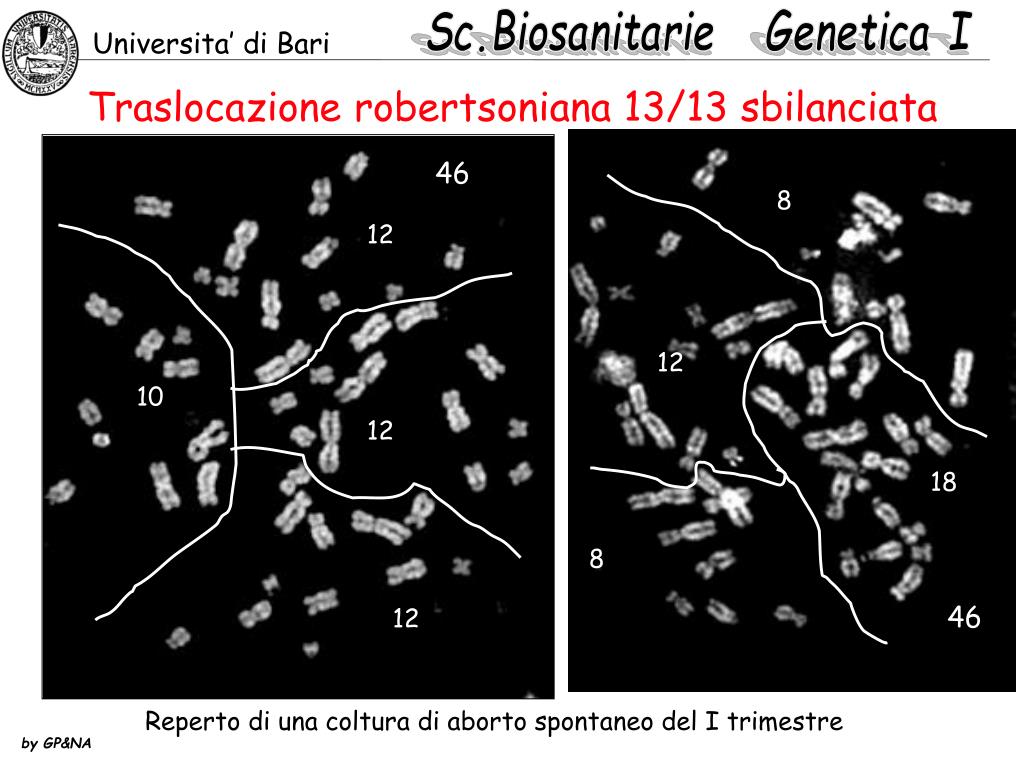
PPT INVERSIONI PowerPoint Presentation, free download ID193931

PPT Imprinting PowerPoint Presentation, free download ID5331714

A case of heterologous Robertsonian translocation trisomy 13 with a… Download Scientific Diagram
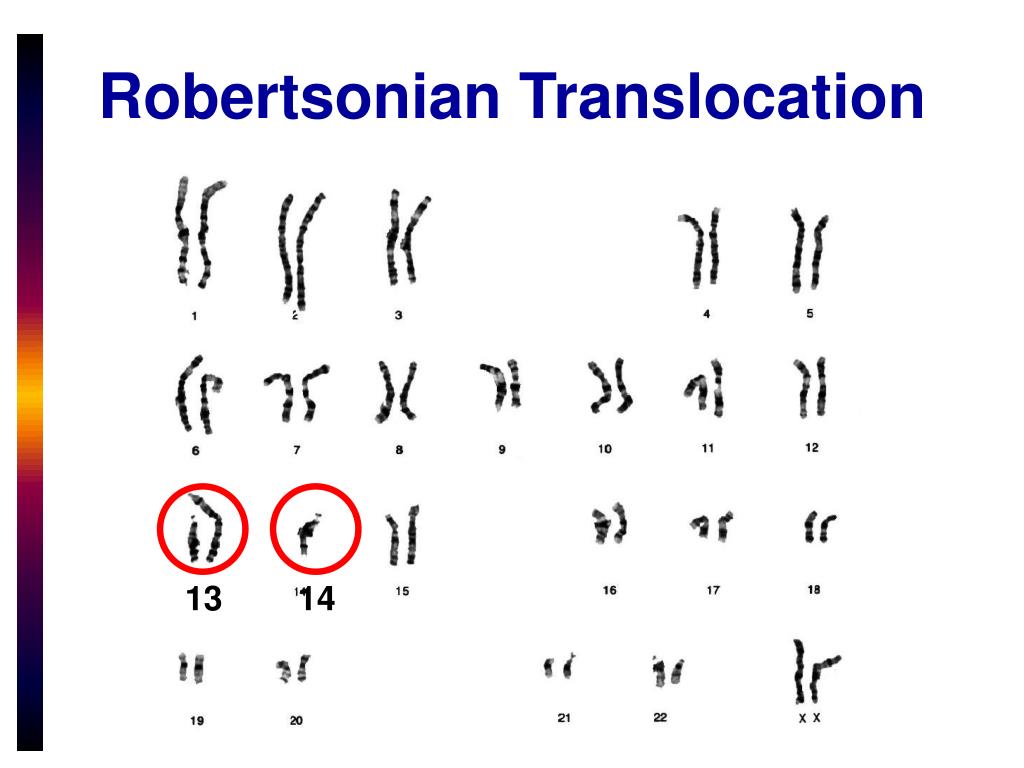
PPT Genome Rearrangements PowerPoint Presentation, free download ID285247
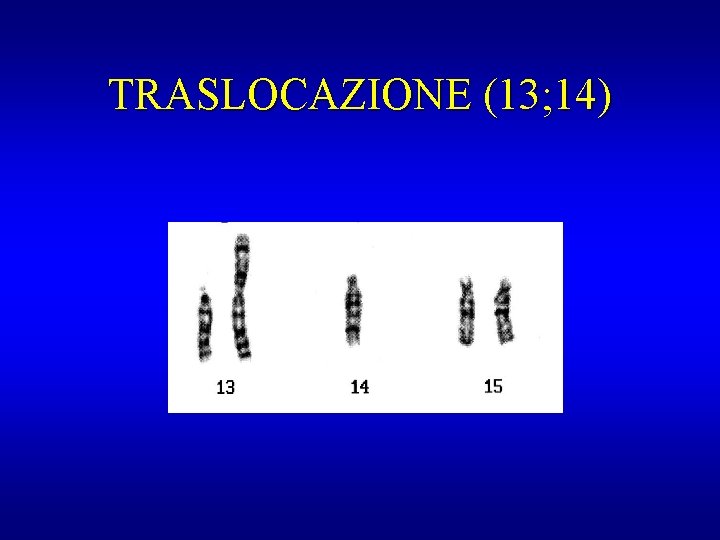
DIAGNOSI PRENATALE La diagnosi prenatale un complesso di
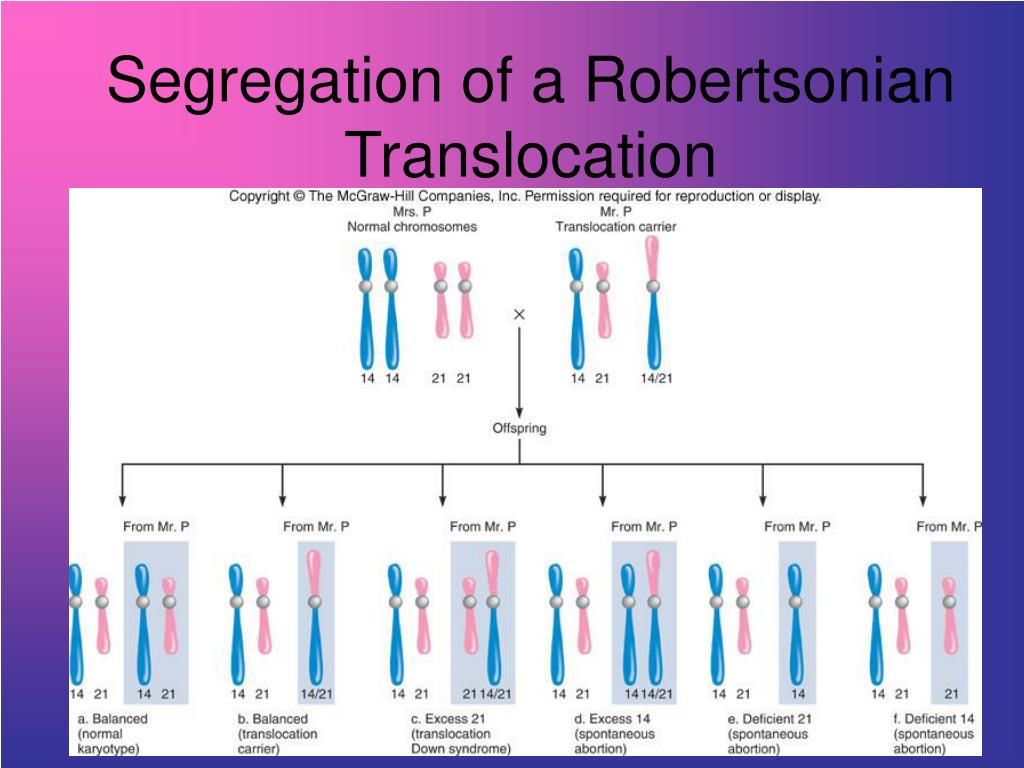
PPT Chromosomes PowerPoint Presentation, free download ID1780826
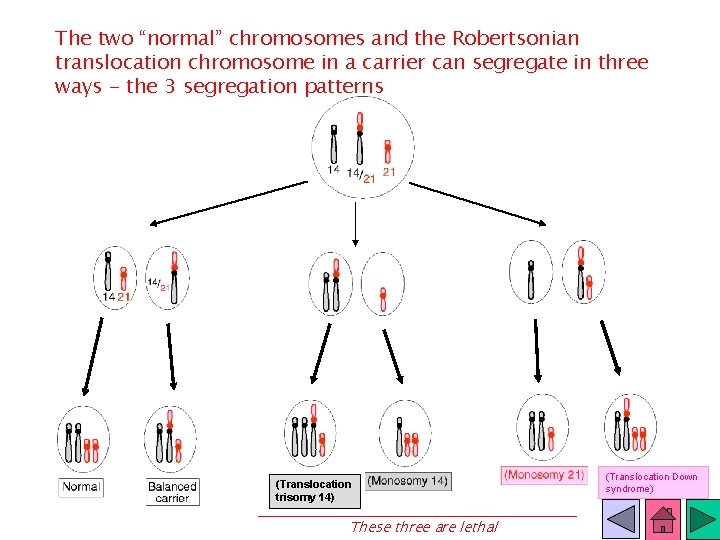
Robertsonian chromosome translocations the basics a tutorial to

Translocation (Chromosome Mutation) — Definition & Impact Expii
Robertsonian translocation ( ROB) is a chromosomal abnormality where the entire long arms of two different chromosomes become fused to each other. It is the most common form of chromosomal translocation in humans, affecting 1 out of every 1,000 babies born. [1] It does not usually cause medical problems, though some people may produce gametes.. Robertsonian translocations 13/14 are the most common chromosome rearrangements in humans. However, most studies aimed at determining risk figures are more than 20 years old.