Yes = past simple. “The photocopier has broken down 3 times” [said at 11am Monday morning] Do you say when? No. Can the event happen again? It is only 11am, so yes = ‘have’ (present perfect) “The photocopier broke down 3 times” [said at 7pm Monday evening] Do you say when? No.. Past simple or present perfect? – English Grammar Today – a reference to written and spoken English grammar and usage – Cambridge Dictionary
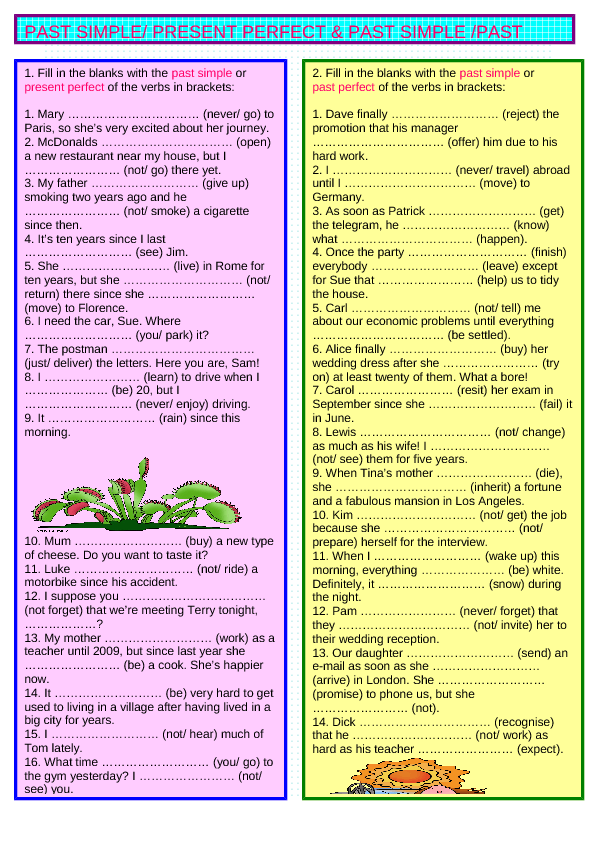
Present Perfect And Past Simple Exercises Perfect English Grammar Design Talk
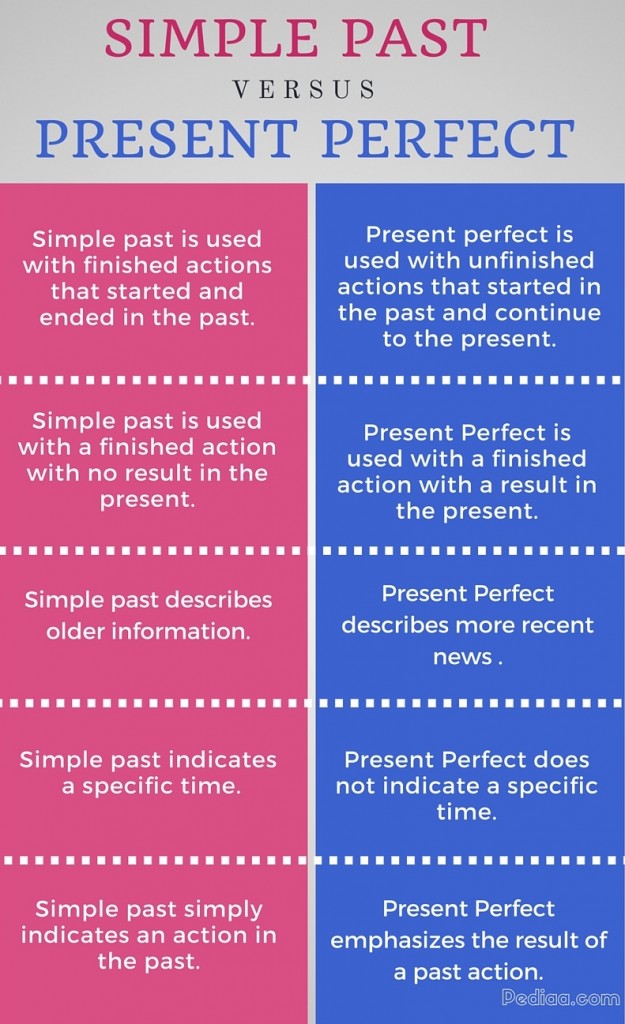
Difference Between Simple Past and Present Perfect
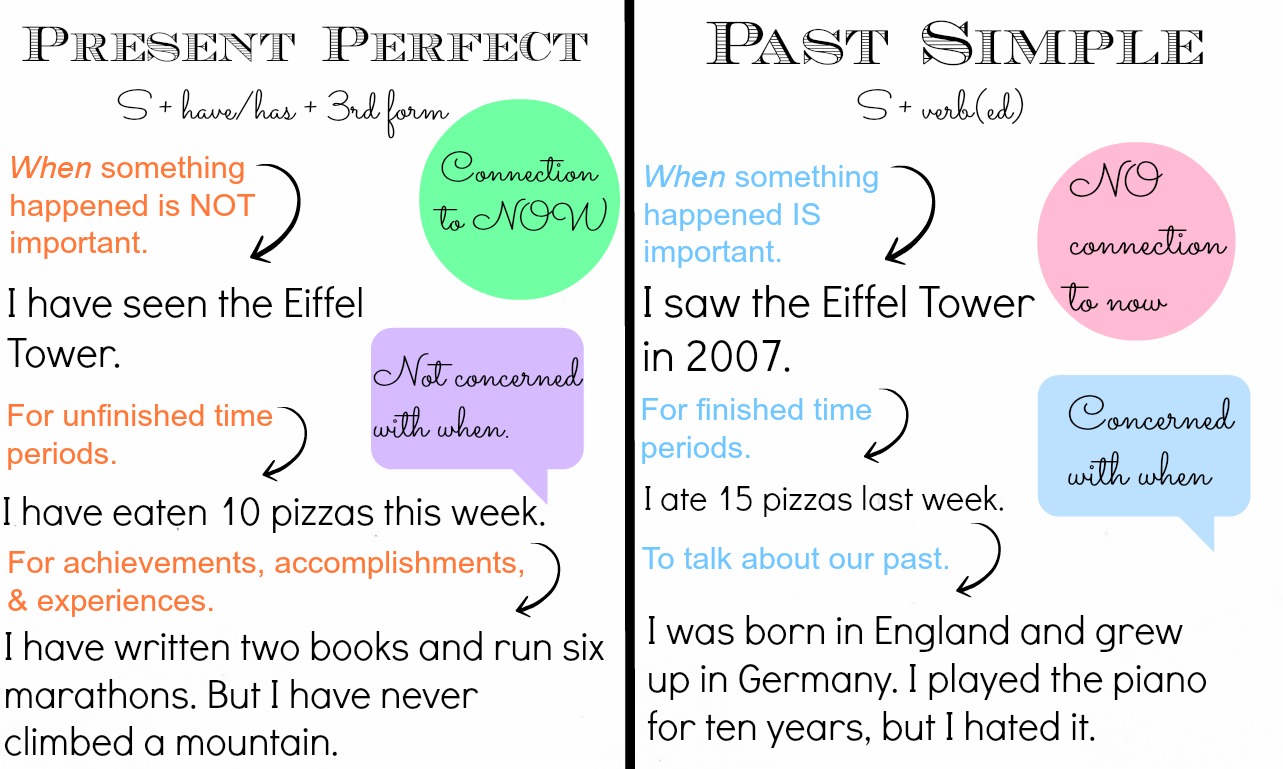
Simple Past vs Present Perfect FROM LONDON WITH LOVE

Simple Past And Past Perfect Tense

Past simple vs present perfect English grammar, Learn english, English language teaching

Present Perfect Simple vs. Present Perfect Continuous Present perfect, Learn english, English

Past simple vs present perfect Present perfect, Past simple, Easy english grammar
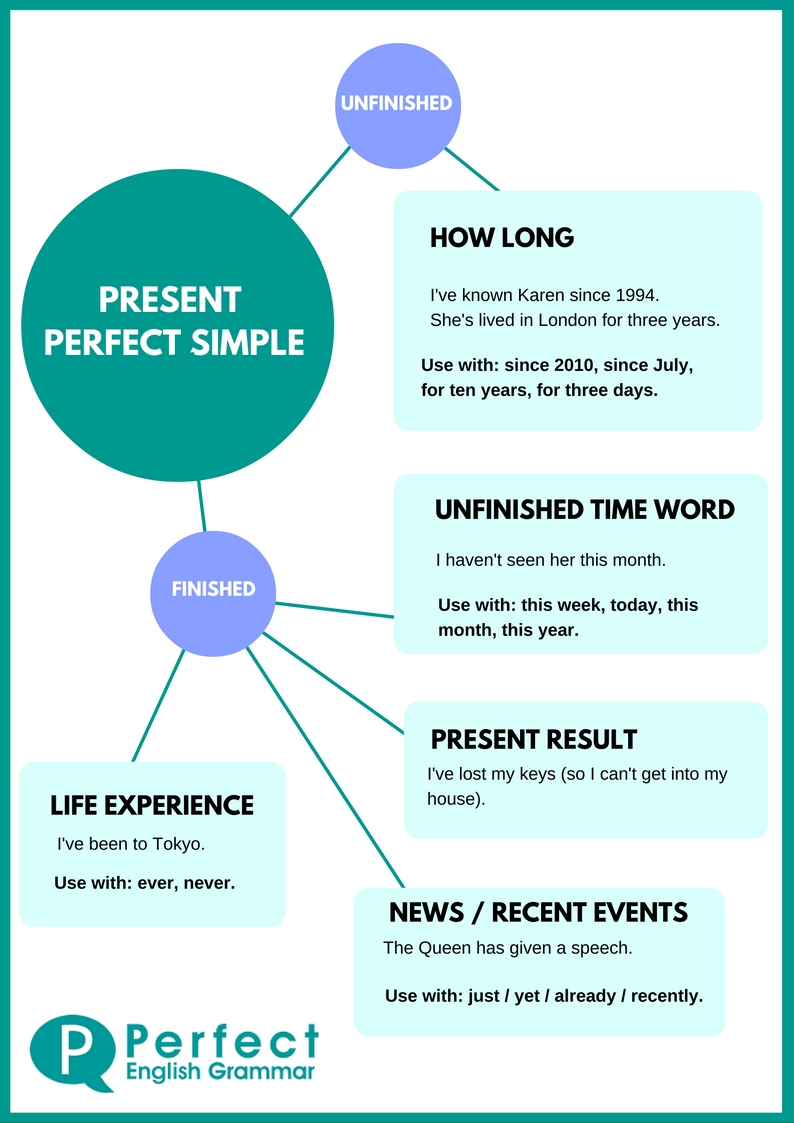
Using The Present Perfect Tense in English
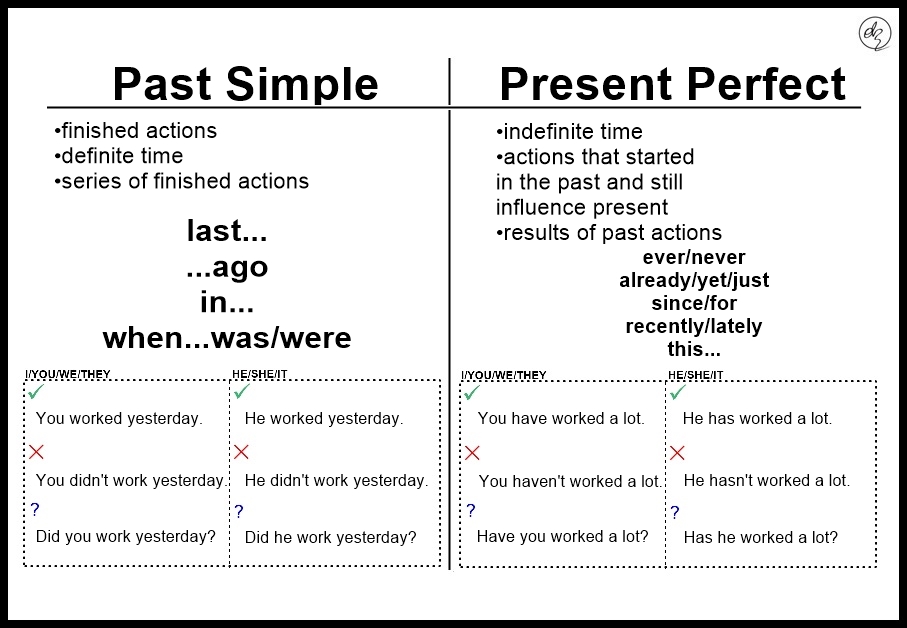
PAST SIMPLE vs. PRESENT PERFECT
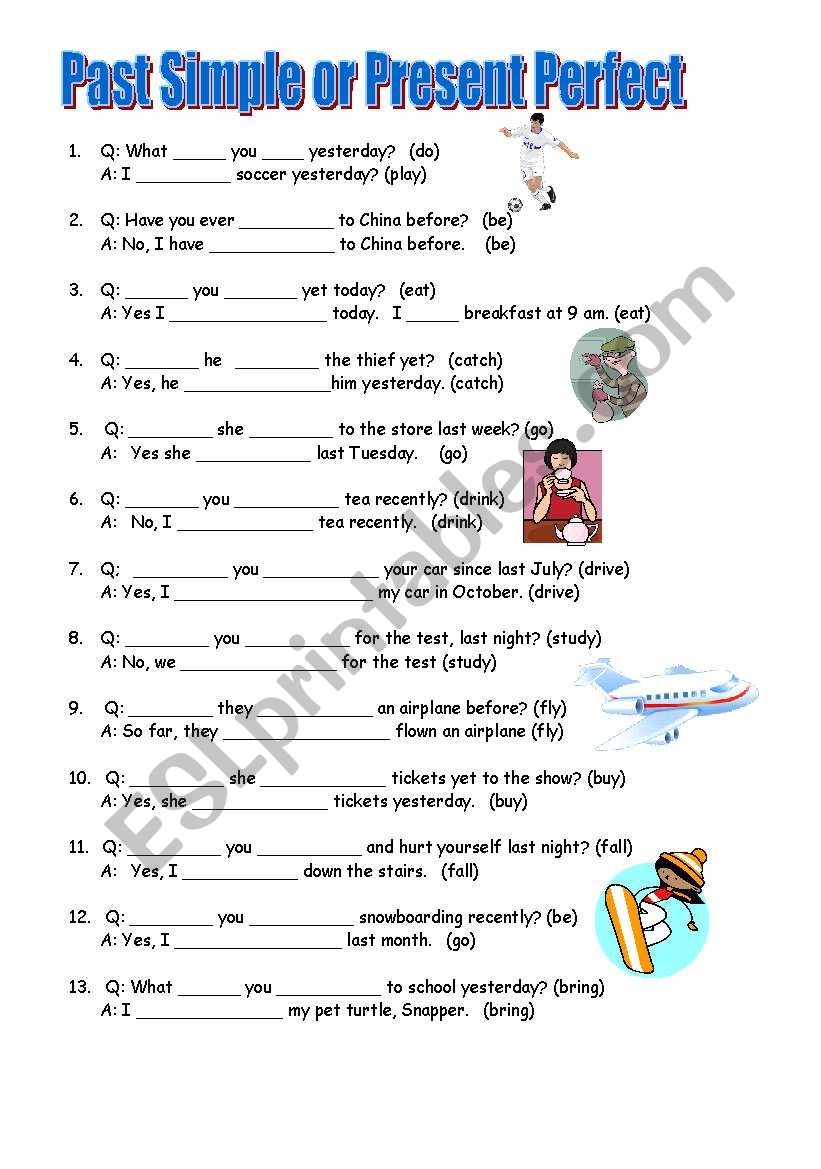
Present Perfect vs. Past Simple ESL worksheet by dkritzer

Verb Tenses How To Use The 12 English Tenses With Useful Tenses Chart 7 E S L

PRESENT PERFECT AND PAST SIMPLE English ESL worksheets pdf & doc
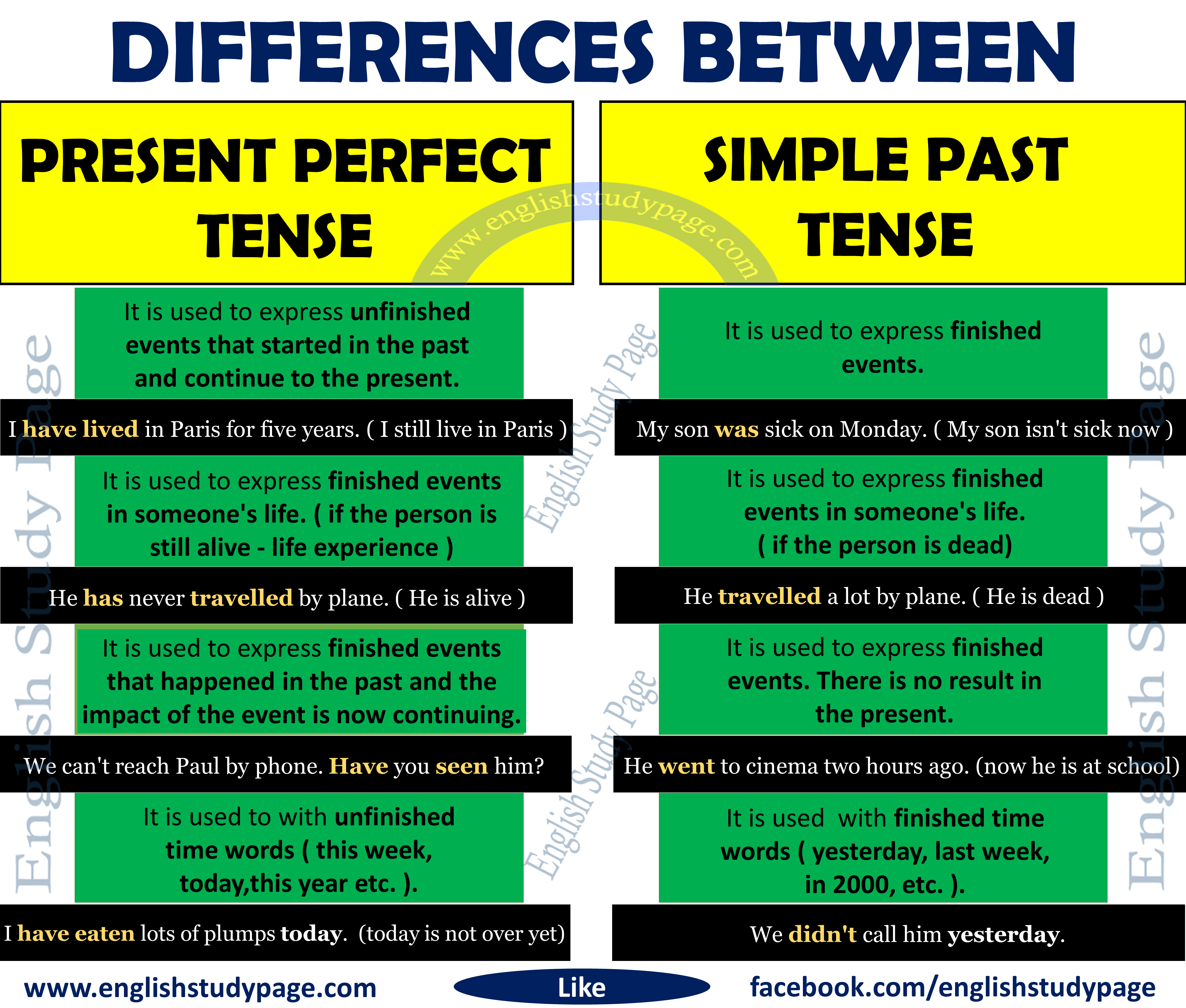
Differences Between Present Perfect Tense and Simple Past Tense English Study Page

Past perfect vs present perfect learn English,tenses,grammar

Verb Tenses Table of English Tenses with Rules and Examples ENJOY THE JOURNEY

Present Perfect Tense Definition, Useful Examples and Exercise ESL Grammar

1ère Present perfect or past simple Yes We Blog
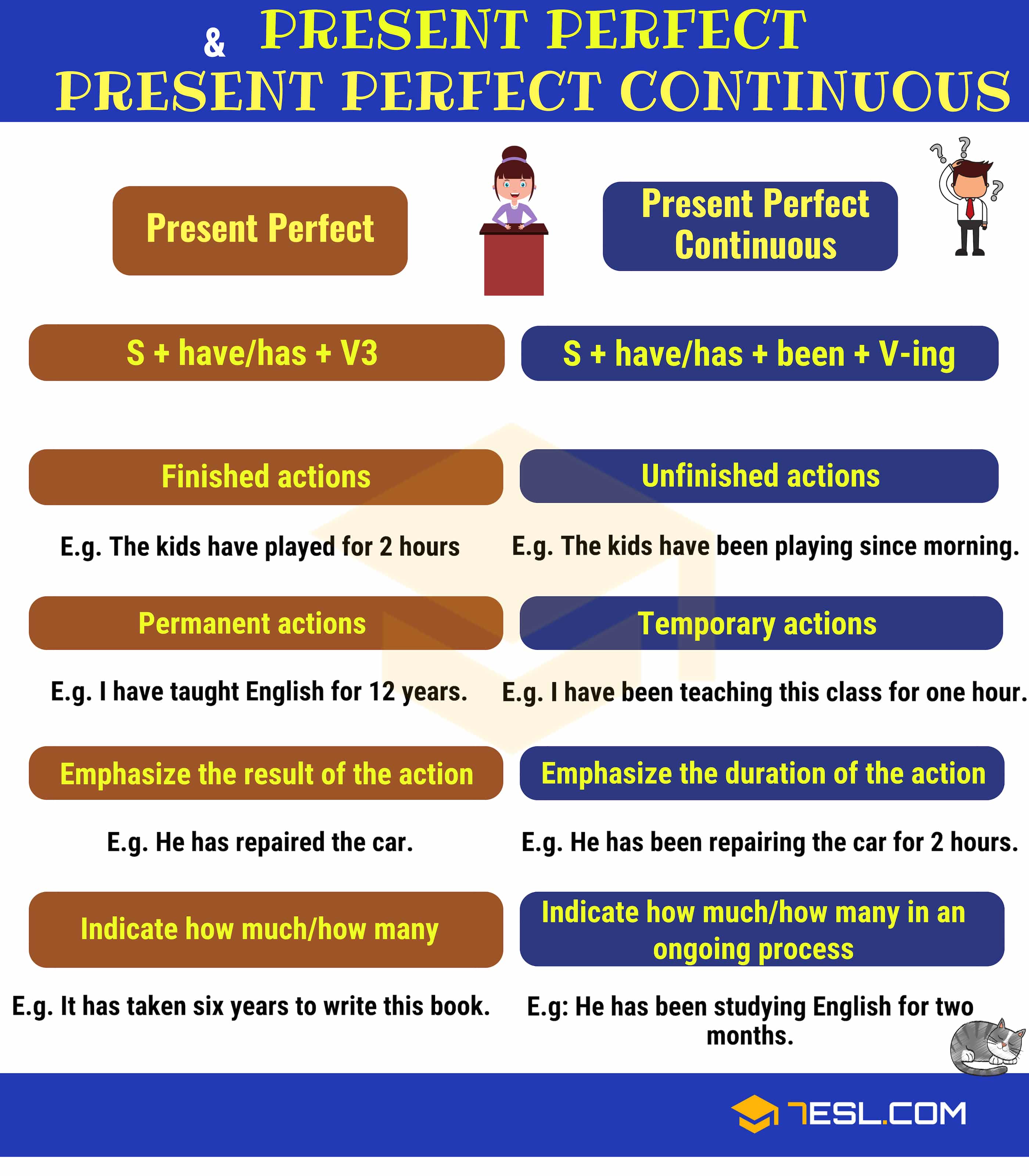
Verb Tenses How to Use The 12 English Tenses with Useful Tenses Chart • 7ESL

Past Simple vs Present Perfect Simple Interactive worksheet
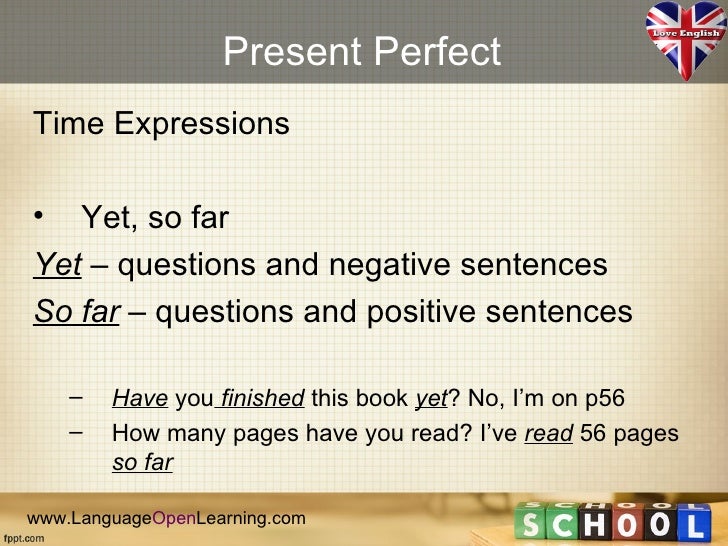
English Grammar Present perfect tense
Key difference 2: present perfect actions happened in the past, but are connected to the present. simple past actions started and finished in the past. Examples: Chris can’t come on the trip, he has broken his leg. (present perfect) his leg is still broken. I broke my leg when I was fifteen. (simple past). The “simple past tense” is often used to describe situations that have occurred in the past. The present-perfect construction has within it two tenses: a primary present-tense, and a secondary past-tense (the perfect). And so, the present-perfect can be used to involve two time spheres: the past time and the present time; and it is often used to describe a situation that has happened, or has.